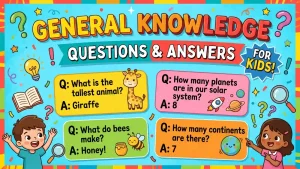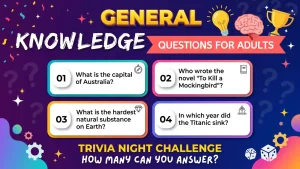
Common knowledge is information that many people in a group or place know and share. It includes simple facts, such as the sun rises in the east and there are seven days in a week. This guide explains what common knowledge means, with examples you can use in talks, school and work.
The word common means shared by many people. Knowledge means facts or understanding about something.
Together, the phrase means facts that many people know. Most people learn these facts at an early age.
Common knowledge is what many people know. It is not what every single person knows.
For example, a teacher may assume students know basic facts. A worker may assume team members know a standard process.
But people have different backgrounds and experiences. So, use the phrase with care and explain key facts when it matters.
Definition & Meaning

Common knowledge is information that many people know. It is often known by people in a group or community. It does not usually require expert training or detailed research to understand.
The word common means shared by many people. Knowledge means information or understanding about something. Together, the phrase means information that many people know and share ND few general knowledge questions :
For example:
“The sun rises in the east.”
This is commonly known information. Most people learn it at an early age.
Another example is:
“There are seven days in a week.”
This is also common knowledge in many parts of the world.
The term is also used in schools and at work. A teacher may assume that students already know basic facts before starting a lesson. A writer may refer to a well-known historical event without explaining every detail.
However, common knowledge does not mean that every person knows something. People have different backgrounds, experiences, education levels, languages, and interests.
For example:
“Everyone knows that.”
This statement may sound too strong. A better approach can be:
“This is widely known.”
The meaning of common knowledge also depends on context. A fact can be common knowledge within one profession but unknown to the general public.
For example, a computer programmer may use words that most people do not know.
Common knowledge is information that many people in a group or place know and share.
Background & History

The idea of shared knowledge is much older than the phrase itself. Human societies have always passed information from one person to another. People shared knowledge by talking, telling stories, teaching, and keeping traditions. Later, they used books, newspapers, radio, TV, and the internet.
The term common knowledge means facts that many people know or accept. It means ideas that most people in a group or community know.
In school, common knowledge often means basic facts that students should know. In writing, it can mean facts that do not need a full source or long explanation. This can depend on the topic and context.
Over time, the meaning has become broader. The internet has made information available to people around the world within seconds. The internet makes it easy to find information. We have many ways to learn. We can use search engines, social media, videos, digital libraries, and learning sites.
At the same time, the internet shows that common knowledge can be hard to define. People from different countries and cultures may have very different knowledge.
For example, a local holiday may be common knowledge in one country but unfamiliar in another.
People now use the term in schools, news, work, online chats, social media, and daily life.
Today, people can easily ask if something is really common knowledge. Instead of assuming that everyone knows a fact, people can explain it or provide a source.
Quick check: which of these best fits common knowledge?
- a learned only through research.
- b known by most people.
- c not widely known.
- d not a true fact.
Usage in Various Contexts

The phrase common knowledge can appear in many types of communication.
Daily Conversations
People often use it when discussing basic facts.
Ali: “Did you know that a week has seven days?”
Sam: “Of course. That is common knowledge.”
Texting
In text messages, people may use a short form or use it in a casual way.
A: “You really did not know that?”
B: “No! Is it common knowledge?”
Social Media
Users may write:
“This is common knowledge, but here is a reminder.”
It can also appear during online debates.
“That fact is not common knowledge. Please share a source.”
Gaming Communities
Players may use the phrase for information that experienced players know.
- Player 1 said, “Save your resources for the final level.”
- Player 2 said, “I did not know that.”
- Player 1 said, “Experienced players know this.”
Professional Settings
Use the phrase with care at work.
“This process is common knowledge among experienced team members.”
But it is better to explain key facts. Do not assume that everyone knows them.
Common Misconceptions & Clarifications

One common misunderstanding is that common knowledge means everyone knows something. That is not always true.
Common knowledge is information that most people in a group know. It does not mean every person has learned it.
Another misconception is that common knowledge is always correct. Widely repeated information can still be false.
For example, a rumor may spread among many people. Its popularity does not make it a fact.
“Many people believe this, but that does not automatically make it true.”
The phrase can also sound dismissive.
“You should know that. It is common knowledge.”
This may make another person feel embarrassed or judged. People have different experiences and education.
Another important point is that common knowledge changes with context. Medical information that is basic for a doctor may not be basic for the general public. A gaming strategy may be obvious to expert players but completely new to beginners.
So, it is better to use the phrase with care.
Similar Terms & Alternatives

Several phrases can have a similar meaning.
| Term | Meaning |
| Common knowledge | Information widely known by a group |
| General knowledge | Broad information about many subjects |
| Well-known fact | A fact known by many people |
| Public knowledge | Information available or known publicly |
| Basic knowledge | Fundamental information about a subject |
| Shared knowledge | Information known by members of a group |
| Widely known | Information recognized by many people |
These terms are not always interchangeable.
General knowledge usually covers a broad range of subjects. Common knowledge is information that most people know or share.
How to Respond to This Term

Your response can depend on the situation.
Casual Response
“Yeah, I know that.”
Curious Response
“I did not know that. Why is it common knowledge?
Funny Response
“Apparently, I missed that lesson!”
Professional Response
“Thanks for clarifying. I was not familiar with that information.”
Privacy-Conscious Response
If someone assumes you know personal or sensitive information, you can say:
“I would rather not discuss that.”
You do not have to share private information. This is true even if people say it is common knowledge.
Regional or Cultural Differences

The idea of common knowledge can change across countries and cultures.
A fact may be widely known in one country but unfamiliar somewhere else. People learn many things from the past. This includes food, language, holidays, and daily life.
For example, cricket is common knowledge in many parts of South Asia. But people in other parts of the world may know little about it.
Language can also affect how the phrase is understood. Similar expressions may include:
- “widely known”
- “well-known”
- “generally known”
- “everyone knows”
- “basic knowledge”
These expressions can carry slightly different tones.
People have different backgrounds. So, do not assume that everyone knows the same things.
Comparison with Similar Terms

| Expression | Main Meaning | Typical Use |
|---|---|---|
| Common Knowledge | Information many people know | Daily talks |
| General Knowledge | Basic facts about many topics | School and quizzes |
| Basic Knowledge | Simple facts about a topic | Learning and training |
| Public Knowledge | Information known by the public | News and formal writing |
| Shared Knowledge | Information known by a group | Teams and communities |
| Well-Known Fact | A fact that many people know | General talks |
The key difference is scope.
General knowledge can include many subjects. Common knowledge is information that most people in a group already know or are expected to know.
Usage in Online Communities & Dating Apps

The phrase appears online when people discuss facts, opinions, hobbies, and community standards.
On platforms such as Twitter and gaming communities, users may say:
“That is common knowledge in this community.”
A new member may not understand the reference. What experienced users know may be unfamiliar to beginners.
People may use this phrase on dating apps. They may talk about hobbies, travel, movies, sports, or culture.
For example:
Person A: “You have never watched that movie?”
Person B: “No, I have not.”
Person A: “I thought it was common knowledge!”
The best response is often simple and friendly.
“I missed that one. Tell me about it.”
Online, remember that just because many people talk about something does not mean it is true. Check important claims before repeating them.
Hidden or Offensive Meanings

Common knowledge does not normally have an offensive meaning. However, the way someone uses the phrase can make it uncomfortable.
For example:
“Everyone knows that. How could you not know?”
This can sound rude or insulting.
The problem is usually the tone, not the phrase itself.
People may also use “common knowledge” sarcastically.
“Oh, yes, because that is obviously common knowledge.”
The speaker may be saying that not everyone needs to know it.
Context matters. A friendly tone can make the phrase feel nice. A rude tone can make the same words feel bad.
Suitability for Professional Communication

Common knowledge is often used at work. But it should be used with care.
In a workplace, saying:
“This is common knowledge.”
may sound dismissive if other team members are unfamiliar with the subject.
A clearer alternative is:
“This is a standard part of the process.”
Or:
“Most team members are familiar with this process, but I can explain it if needed.”
Professional communication should avoid assuming that everyone has the same knowledge.
If the information is important, give more details. You can also add a trusted source.
FAQs
What does common knowledge mean?
It means information that many people in a group, community, or society know.
Is common knowledge the same as general knowledge?
No. General knowledge covers broad information about many subjects. Common knowledge is information that many people in a group know and share.
Does common knowledge mean everyone knows it?
No. It means many people know it, not necessarily every person.
Can common knowledge be wrong?
Yes. People can repeat the same wrong information many times. That does not make it true. Popularity does not prove accuracy.
Can common knowledge change?
Yes. New discoveries, technology, cultural changes, and education can change what people commonly know.
Is the phrase appropriate at work?
Yes, but use it carefully. Avoid making colleagues feel bad for not knowing something.
What is another word for common knowledge?
You can use simple words. Try “widely known” or “well-known fact.” You can also use “shared knowledge” or “known information.”
Conclusion
Common knowledge is information that many people know or share. It can include simple facts and cultural ideas. It may also include work habits, community rules, and lessons from daily life.
The meaning depends on context. Something that seems obvious to one person may be completely new to another. This is especially true across different countries, cultures, professions, and online communities.
This phrase is useful in daily conversations, school, social media, gaming, and work. Still, we should not use it to make people feel bad about what they do not know.
Most importantly, what is widely known does not always mean true. When it matters, check a trusted source. Do not assume the information is correct.
Understanding the phrase helps us communicate more clearly, respectfully, and effectively.
Continue Reading:
- Important General Knowledge: Everyone Should Know (for 2026)
- General Knowledge Facts and Answers: You Should Know (for 2026)
- Daily General Knowledge: Learn Something New Every Day (for 2026)

Alexander Reed is a writer who shares clear, useful insights on learning, knowledge, and everyday topics.
His work on New Learn Knowledge helps readers discover simple and helpful information.